
The Best Athletes Want to be Coached
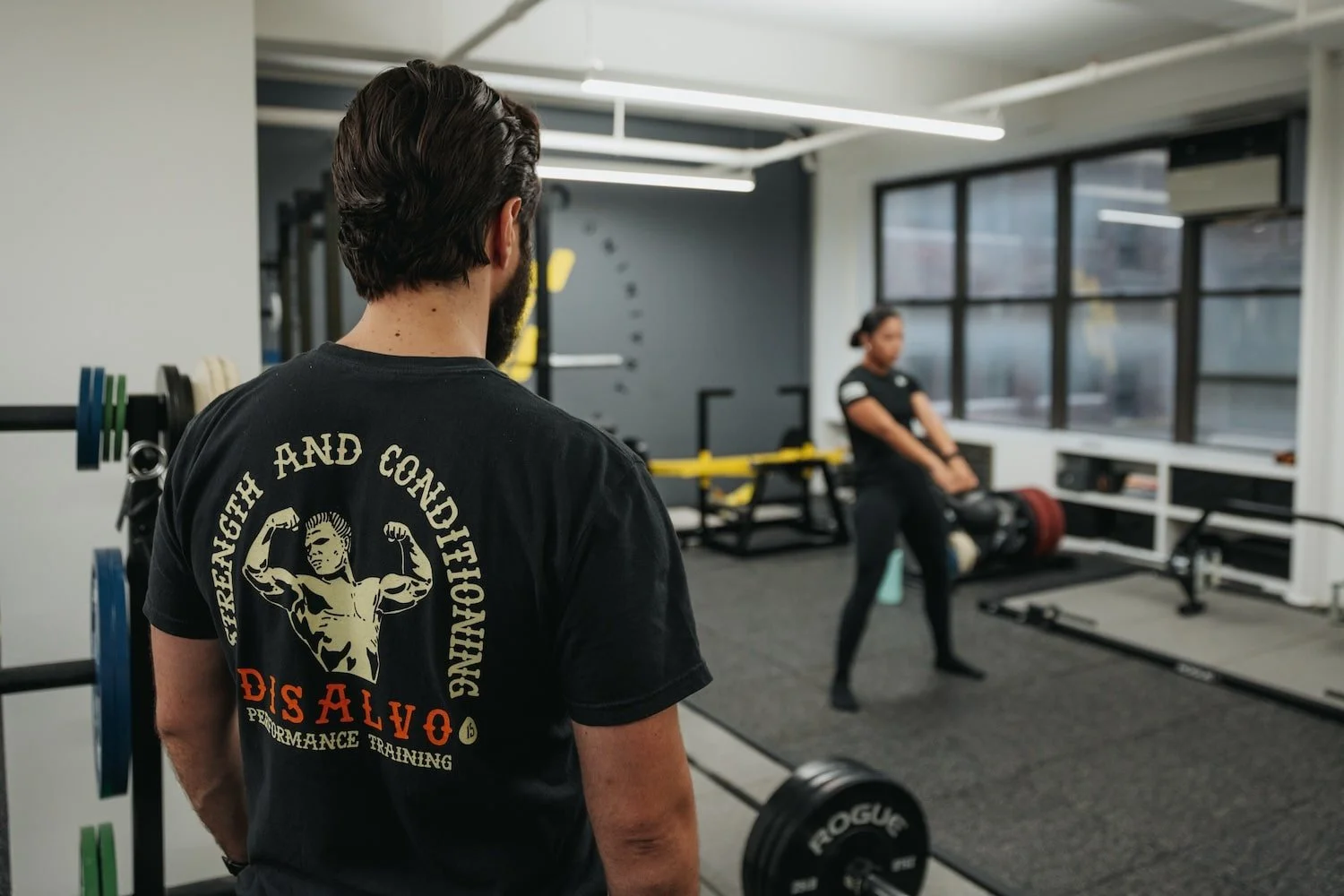
A Brief ForewordToday’s article is for coaches and aspiring coaches in both strength and conditioning or sport. The advice and observations can be applied to any setting in which someone is coaching or leading a group of athletes, people in the gym, or doing anything physical.
If you’re interested in coaching as a career inside strength and conditioning, or you’ve already begun your career, but haven’t quite had the version of an apprenticeship that has been satisfying for you, check out our internship program. We run a minimum of two cohorts per year and accept applications on a rolling basis.
–
A mistake I often made as a younger coach, and I see repeated often by other younger coaches, was not being enough of a “coach.” What I mean by that is that there were times where I did not step in or assert myself where it may have been needed. Whether it was a fear of “rocking the boat,” or trying to be too friendly, there were times I felt I could have served the athlete or client better by stepping in and being more assertive.
This type of inaction or paralysis can take many forms, including a coach seeing a particular athlete or client excelling, which then leads to the coach mistakenly believing that the athlete/client doesn’t need much attention or instruction. In some cases that may be true, but in my career, I’ve observed the opposite: the best athletes crave constructive criticism. They want feedback. They don’t need to be told how great they are. Sometimes they need a friend, but the vast majority of the time, they need a coach.
A Classic Example at Famous or “High Level” Gyms
If you needed broad proof of concept here, consider the “law of attraction” around famous gyms or coaches. Athletes from all over the world will travel to these gyms to be around other athletes looking for the same level of training as them. Some among them are there to get even a few minutes to speak with the coach, hoping to glean something from even a short conversation or exchange. At big enough gyms, that may be all you get as an athlete.
Imagine for a minute that you are the coach at one of these gyms. Knowing this about the people who come to your gym: wouldn’t you want to give everything you have? You wouldn’t hold back much, if anything. The same should apply to you in your world, with your athletes. They’ve chosen to be there and to be led by you. You owe it to them to be available, attentive and interactive.
Yet still, you have coaches and trainers who are unable to steer a client toward success for one reason or another.
“Relationships are built at the speed of trust”
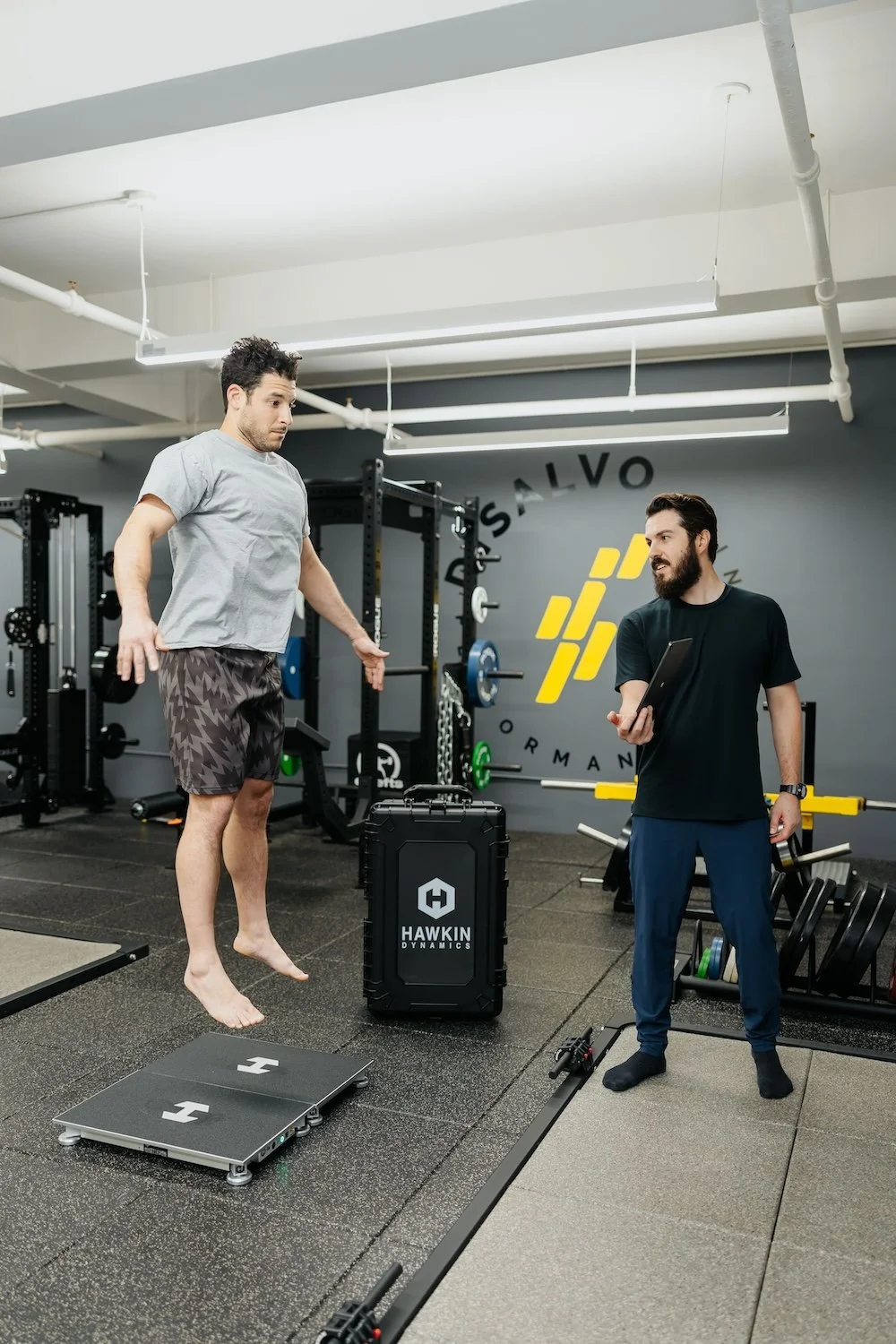
Charles Poliquin used to repeat the above quote constantly, but it’s perhaps the most poignant advice I’ve ever received. Your effectiveness and relationship with your clients will only be built as quickly as you develop trust in one another, and most importantly, as quickly as they develop trust in you as their coach.
Trust is the key component for any level of compliance with clients and athletes. The key to coaching is understanding how to build that trust with each individual client, because trust me, each person will be very different.
However, when you’ve built that trust with an individual, the job of coaching and communication gets much clearer.
When you have the level of trust I’m talking about, communication and knowing when to interject and make your presence known becomes natural. Ultimately, this is where you rise to the occasion as a coach.
Unfortunately, I think many coaches and trainers confuse “trust” for “friend.”
The Dark Side
The opposite version of this, often repeated by younger and less experienced coaches is too much confidence, too much interference and too much commenting. This usually comes from a place of lacking confidence, and having the opposite reaction: I need to prove how much I know.
For a strength coach, it can be difficult at times to see how you affect outcomes outside the weightroom. We all know that we play an important role in an athlete’s team and staff, but the result on the field, ice, course or mats isn’t totally up to us. That sits with all of us a little differently: some coaches have a really hard time swallowing that reality, while others wash their hands entirely of outcome and often refrain “I am only a strength coach.”
Whatever the reason for your insecurity or need to prove yourself, understand that the desire to do so is counter productive and undermines you as a coach.
Why is this?
Let’s assume you are educated, experienced and part of a good organization, gym or team. If you are the strength coach in this scenario, you already have a massive benefit in both your title and position on the team: you’re already viewed as an expert in what you do. You may have to create buy-in, sure, but you’re already coming in with a position of influence (and sometimes authority). A leader who is clearly insecure and convincing themselves of their worth is going to send very mixed non-verbal messages to the athletes, ultimately undermining their coaching and effectiveness.
Someone driven by results
Let’s get back to the real point: the best athletes are always looking for guidance and refinement. They’re infinitely committed to the process of getting better and practicing, because they know that’s how you win.
Anyone who can aid in that process is welcome on the journey. That’s why it’s important to remember that as a coach, particularly a strength coach, you play a massively important role in the development of an athlete’s body and performance. If they chose you as their coach, you have a responsibility to do right by them in that domain.
Knowing that, it’s actually rather exciting to do your job and be a coach. It’s a pleasure to work with someone who is so committed to their own process. I know I’m not the only coach who loves working with people who are serious. So why hold back?
Conclusion
Whether you’re under-coaching and being timid, or over-coaching and inserting yourself constantly where you don’t need to be, you’re negatively affecting the athlete you work with. Both versions come from a place of lack; it’s the coach failing to fully deliver on what is needed and avoiding hard truths.
What I learned later, through many years and repetitions with athletes and clients, is that “rocking the boat” is one of the many skills you need as a coach– because it’s not always about being a friend or someone who maintains status quo— it’s about challenging the athlete to evolve and be the best they can possibly be.

About the Author: Mark DiSalvo, CSCS
Mark is the founder and owner of DiSalvo Performance Training. He brings over a decade of experience training clients and athletes of all backgrounds and is the strength and conditioning coach to athletes of all levels and disciplines, from youth to professional and Olympic-level.
Mark is currently purple belt in Brazilian Jiu Jitsu, with over 10 years of experience grappling.
A graduate of Northeastern University, he’s an NSCA Certified Strength and Conditioning Specialist (CSCS) and Sports Performance Expert. He’s also a Steve Maxwell Certified Kettlebell Instructor (Levels 1 & 2).
You can read more about Mark here.