
Prepping for IBJJF Worlds pt. 2
or any Gi Jiu Jitsu Tournament
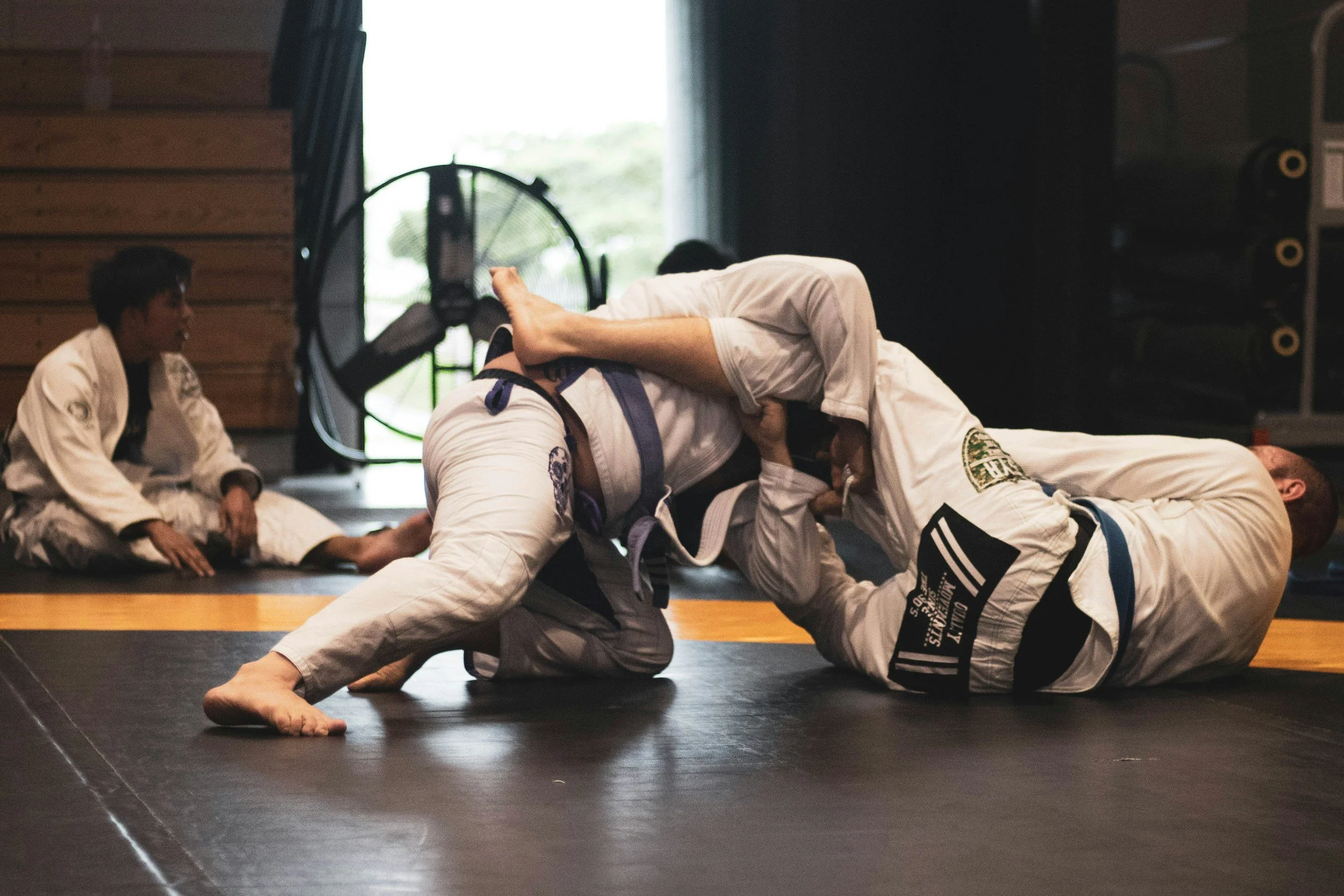
In my last article, we got into two key components in assembling your strength and conditioning plan for the IBJJF World Championship (Gi Worlds): the act of planning, and your strength training.
Today, we’ll be discussing the two key topics to consider when putting together a strength and conditioning program for Worlds (or similar jiu jitsu/grappling tournaments):
Conditioning
Nutrition and weight management strategies
So let’s dive in.
Conditioning
The discipline and field of strength and conditioning thought highly enough of “conditioning” to include it in the proper noun, but yet, many competitors treat it like an afterthought. For many, some very simple workouts that would only take a little more than 1 hour per week could make a huge difference.
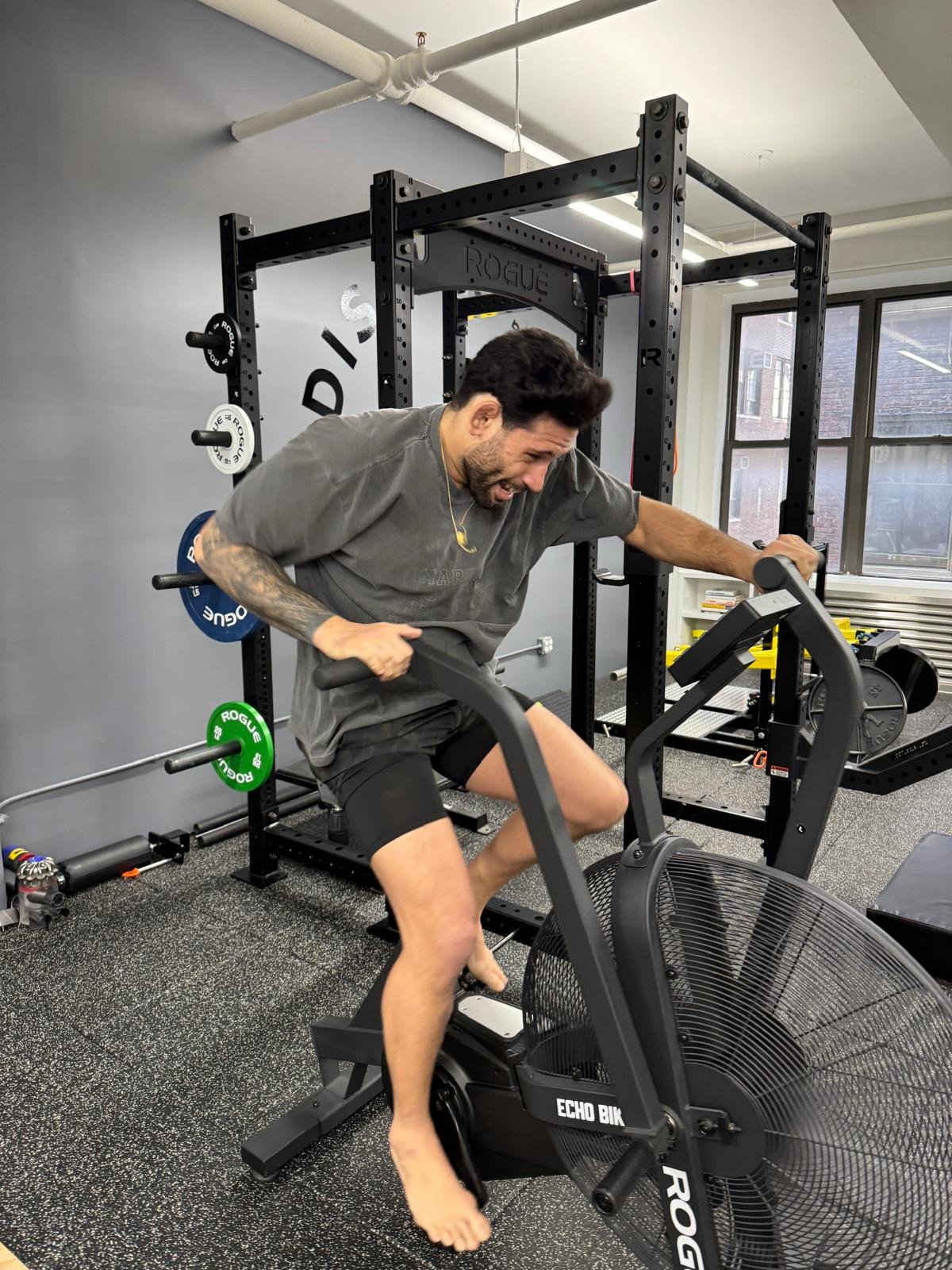
Did that get your attention? Good. Let’s discuss.
When it comes to improving your conditioning in short timeframes (such as a fight camp), assessment and targeting the actual issues become paramount. You first should assess your conditioning for one of three obvious weak points. This is how we begin all our conditioning related assessments at DiSalvo Performance Training:
Are you generally experiencing fatigue no matter the level of intensity during a roll or sparring round?
Are you having problems recovering between rounds or after a particularly difficult exchange on the mats?
Or, are you unable or hesitant to engage in fast sequences for fear of gassing out or because you actually do gas out and are left unable to function?
These self-audit questions can tell us a lot and guide your training. For example, someone who has points 1 and 2 covered can focus most of their training each week on #3: training their fast sequence and intense conditioning without wasting time on something like road work (i.e.: long, steady state cardio) when it was unnecessary for them.
Similarly, someone who can produce quite a bit of power (measured in watts on a fan bike), but generally finds themselves less conditioned should probably spend more time working their steady state conditioning and less intense time on row ergs or fan bikes.
Without even using technology like heart rate monitors and other biometric devices, you can shape out and make a plan to act in the 6-8 weeks before a big tournament like Worlds. All that said, the best way to know is to actually test each of these qualities with a heart rate monitor in the appropriate setting/mode of exercises to get real, actionable feedback.
Use the above 3 questions to form your own plan, or contact us below to let us help you. Conditioning programs are some of the most effective and best ways of working with us remotely.
Nutrition and Weight Management
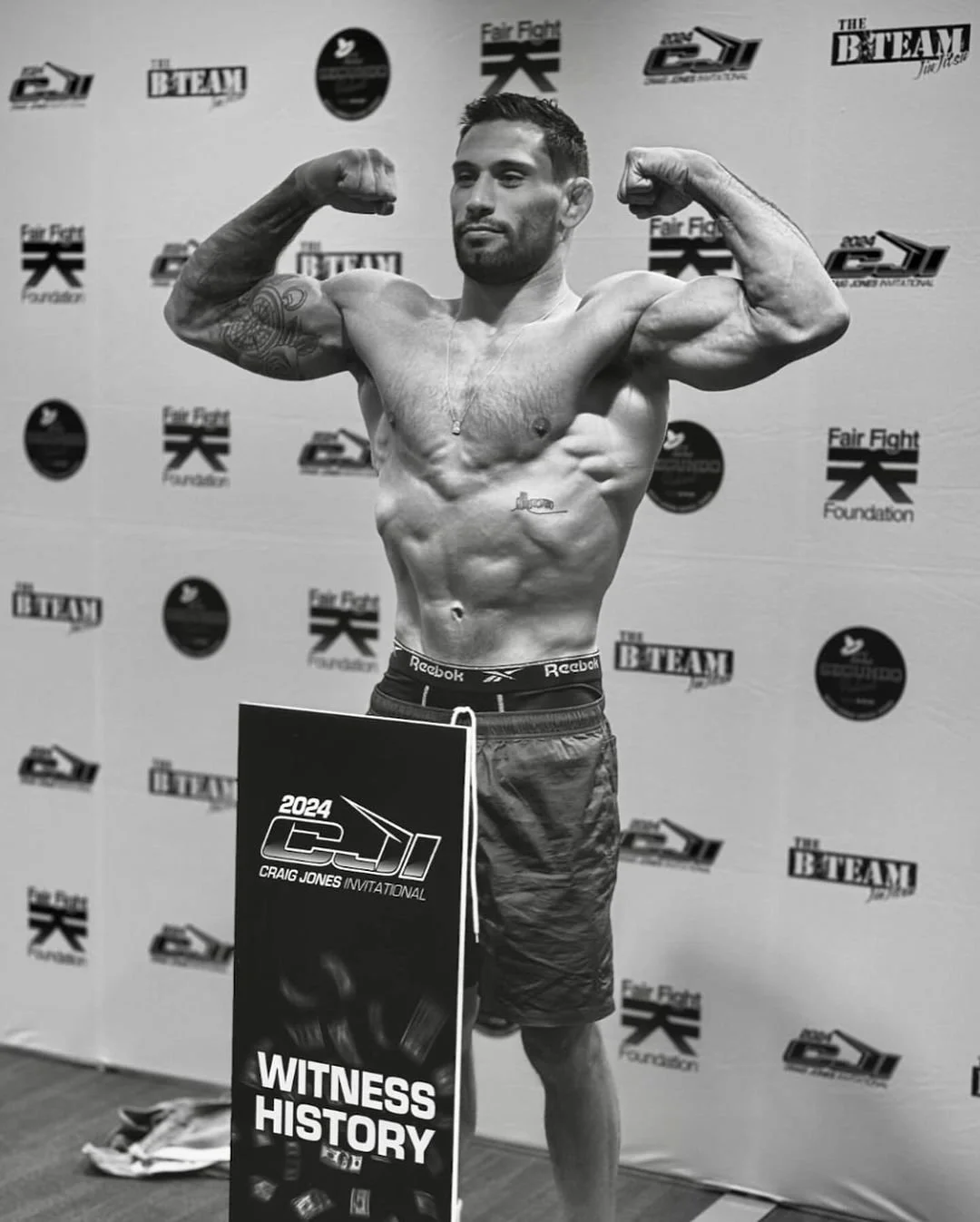
Combat sports are weight class sports, and jiu jitsu is no different. IBJJF gi jiu jitsu unfortunately adds a wrinkle that you must weigh in with your gi on, so whatever your weight limit is, you actually need to be at least 3-5lbs lighter (and sometimes more). For less experienced competitors, this additional weight calculation can cause headaches.
On top of that, you have a big tournament to prepare for, and spending a disproportionate amount of time on your weight management is not an effective way to prepare for the matches ahead of you.
That’s why weight management and cutting is best done when you plan ahead (and stick to the plan).
For newer competitors: choose a weight class that reflects where you are right now, or where you can very easily be within 8 weeks (for most, this is within 5lbs). This doesn’t mean you need to compete in this weight class forever, nor does it mean that you are stuck here.
For the experienced competitors: being at the top of your weight class is always an advantage, and so is being as light as you can without losing any strength or power. Most competitors intuitively know this. Too few of these competitors spend the time to actually figure out their maintenance and cutting calories, and don’t spend enough time throughout the year understanding how to fuel to train.
Nearly every high level competitor that comes to us for nutrition coaching always says, “Wow, I can’t believe how much food I ate, but still kept losing weight!” It’s become a fun refrain for us at this point.
So, spend the time to figure out your own sustainable eating habits that allow you to calibrate your intake up and down in a way that supports your performance, not simply “not eating.”
***
SIDE NOTE:
Many competitors we’ve coached find themselves see-sawing between two weight classes, as their preferred weight class is a little too aggressive for them to maintain at each tournament. For those individuals, that’s one time where a strategy can be employed where you compete in the weight class above yours during less important tournaments, and you save the dieting and more difficult class for Worlds. This strategy works well, but it should be warned that this may affect your seeding or qualification in the bigger tournaments, so talk to your coach.
***
We are also often asked if the act of lifting will inherently make someone weigh more and in general, the answer is no, as long as you understand your maintenance and cutting calories and mind them. That is all the more reason to get your nutrition dialed in and able to be manipulated based on your stage of preparation.
With that said, we have experienced some athletes who tend to get some temporary swelling post workout for 1-2 days that results in a temporary weight gain. Once they’re fully recovered from the lifting session, they fall right back down. If you notice this in yourself, you should definitely take note and plan your lifting strategically as competition draws near.
Conclusion
Conditioning is a big task, but the actions to manage and improve it are not especially time consuming. Managing your weight can be characterized the same way. If you need help or have questions about anything we covered above, please reach out. We’re happy to help.
Tune in for our next article on Special Strengths.

About the Author:
Mark DiSalvo, CSCS
Mark is the founder and owner of DiSalvo Performance Training. He brings over a decade of experience training clients and athletes of all backgrounds and is the strength and conditioning coach to athletes of all levels and disciplines, from youth to professional and Olympic-level.
A graduate of Northeastern University, he’s an NSCA Certified Strength and Conditioning Specialist (CSCS) and Sports Performance Expert. He’s also a Steve Maxwell Certified Kettlebell Instructor (Levels 1 & 2).
You can read more about him here.