3 Things Hockey Players Should Focus on in the OffSeason
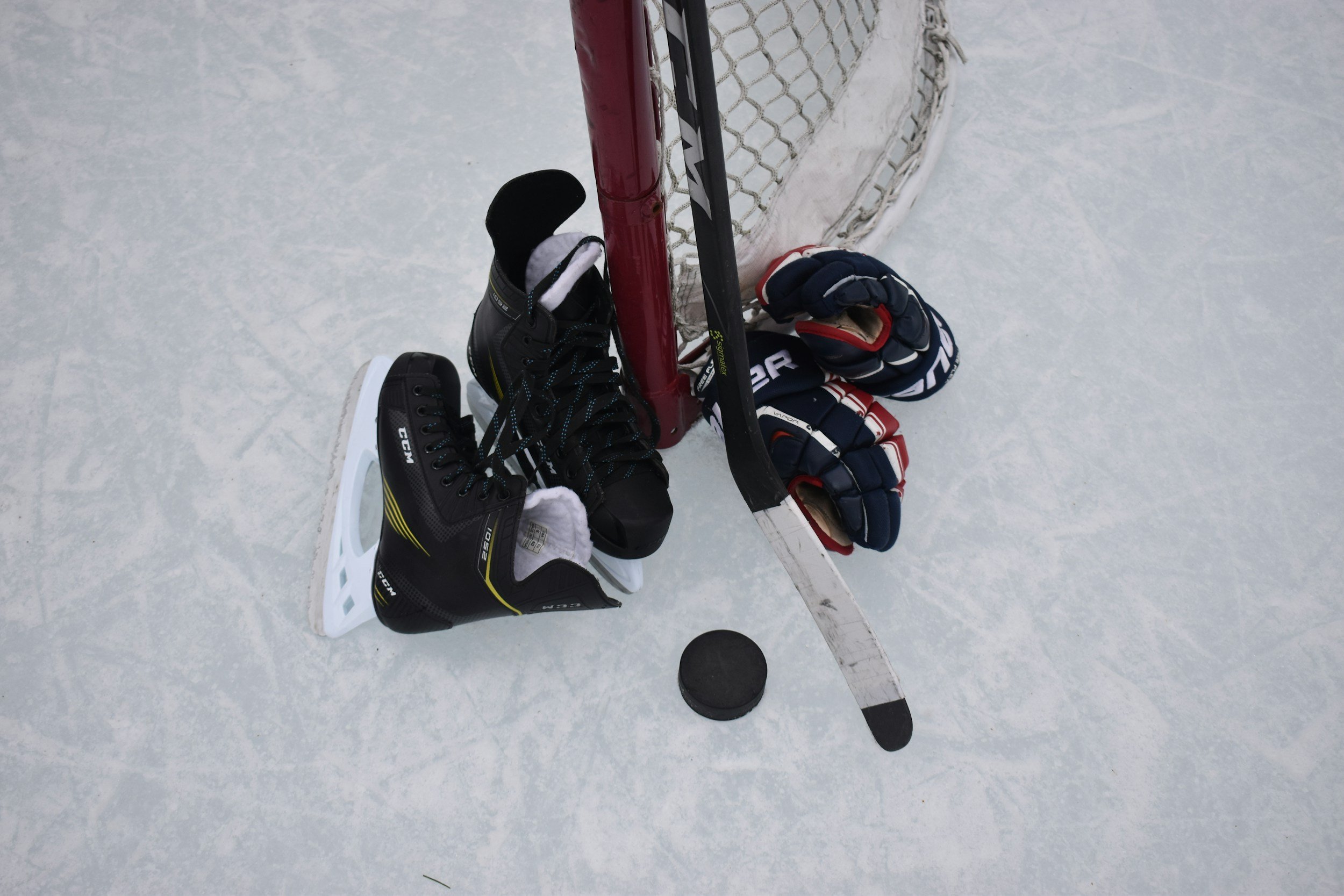
The offseason presents a world of opportunity to athletes who are trying to level up. Whether you’re lamenting the end of a successful season or happy to see it come to an end, it’s important to remember that the work you do in the offseason is what sets you up for success in the coming season.
One thing that trips up and stalls many hockey players, from youth hockey to the pros, is a lack of plan or structure in the offseason. Sure, it’s easier to simply find a house league or a group of people to skate and scrimmage with, or worse yet, do nothing at all, but adding some real intentional work to your offseason could mean the difference between leveling up your game, making a team, or be the difference in how much you earn.
While staying on the ice and working different aspects of your game is never a bad idea (and something you should absolutely continue), consider the following macro level steps to help you focus your offseason plan this year.
1. Get out of your skates and get your ankles and feet moving
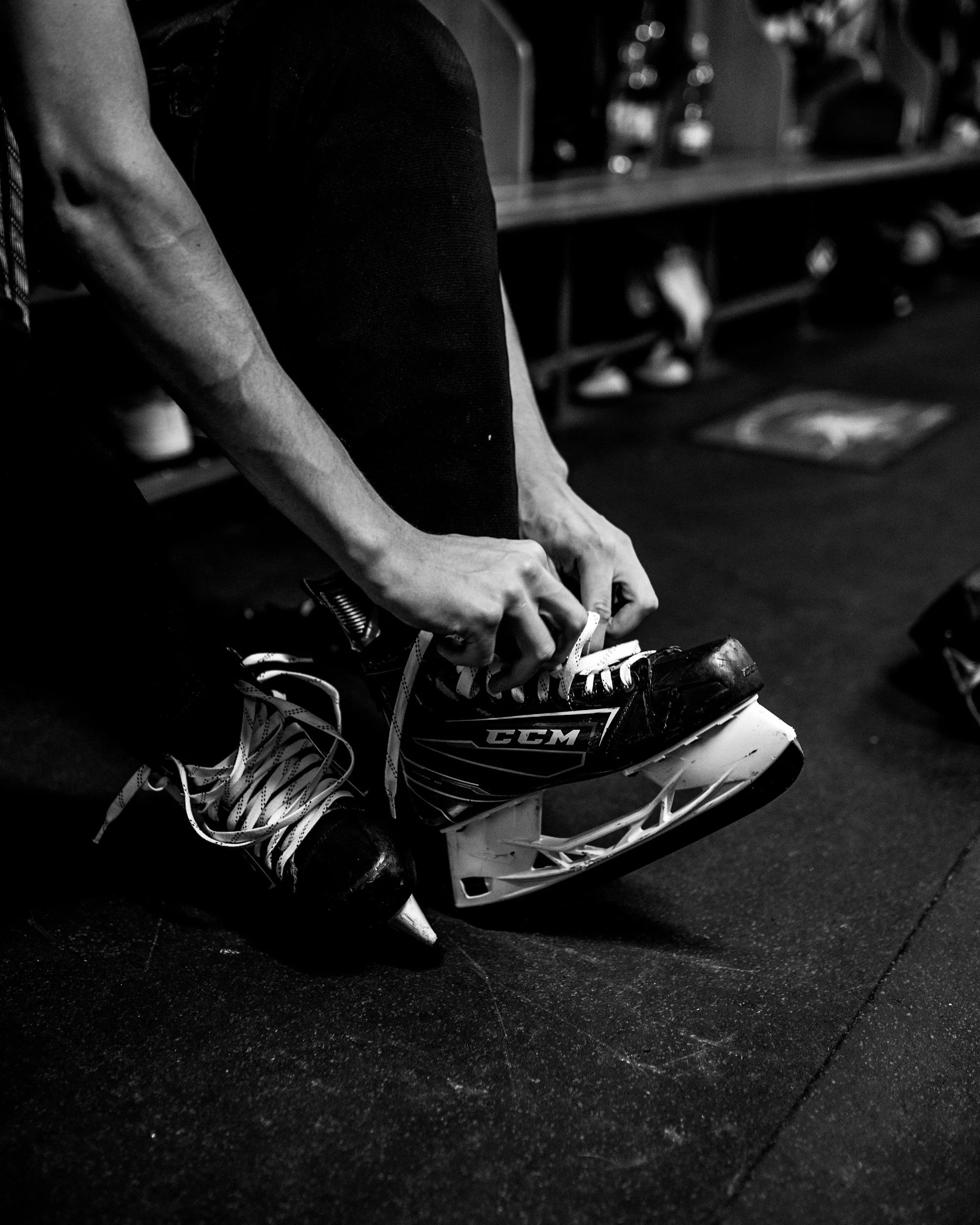
When the hockey season is over, you need to get out of your boots and train as much as possible. Training barefoot is ideal, but in the event this isn’t possible or safe, we highly recommend barefoot or minimalist training shoes.
The reason this is so important is because the mechanics of skating are vastly different than how our bodies move in stride on dry land. Because of this, it’s very easy to develop strange movement habits or compensations that can detrimentally change how you move.
There’s an old concept that physical therapists call “living inside your sport,” where your body is so adapted to your vocation as an athlete that you continue to compensate and move off the ice as you do on it. A good example of this is someone developing severe pronation in one foot because of so much time in a skate and favoring a dominant push-off leg. I say this as someone with experience, as it happened to me as a youth hockey player and carried into adulthood before it was properly addressed.
On top of that, you will be doing yourself a favor in the knee and hip injury prevention department: any significant detriment to your ankle and foot movement inevitably travels upstream and has the potential to wreck havoc on your knees or hips. So if you’ve been dealing with groin injuries, hip pain, or knee injuries, the offseason is the ideal time to prioritize training off-ice.
2. Begin a [Planned] Program in the Gym
A constant theme when I speak to NHL and professional performance staffs is the level of physical development that prospects have - or do not have. By the time you arrive at development camps, training camps, combines, or otherwise, you’re being profiled on your physical development relative to your age.
Physical development takes time. Building muscle, getting faster, working agility and reaction time all take dedicated practice and planning. Understandably, the life of a hockey player leaves little room for this during a season, especially if you’re a youth or junior player who is a member of more than one team.
That’s why some of the biggest gains are available to you in the offseason. It’s even better because when you have fewer demands competing for your energy, your gym results can sky rocket. This is the time to lift frequently, eat plentifully, work on your explosive qualities, but most importantly, work with a knowledgeable coach who can help you make the most progress.
So leverage this time to begin a properly phased program that takes into account that you’re in an offseason that eventually seamlessly transitions you into an in-season training program that keeps your development moving.
3. Mentally reflect on your season: What went right? What went wrong?
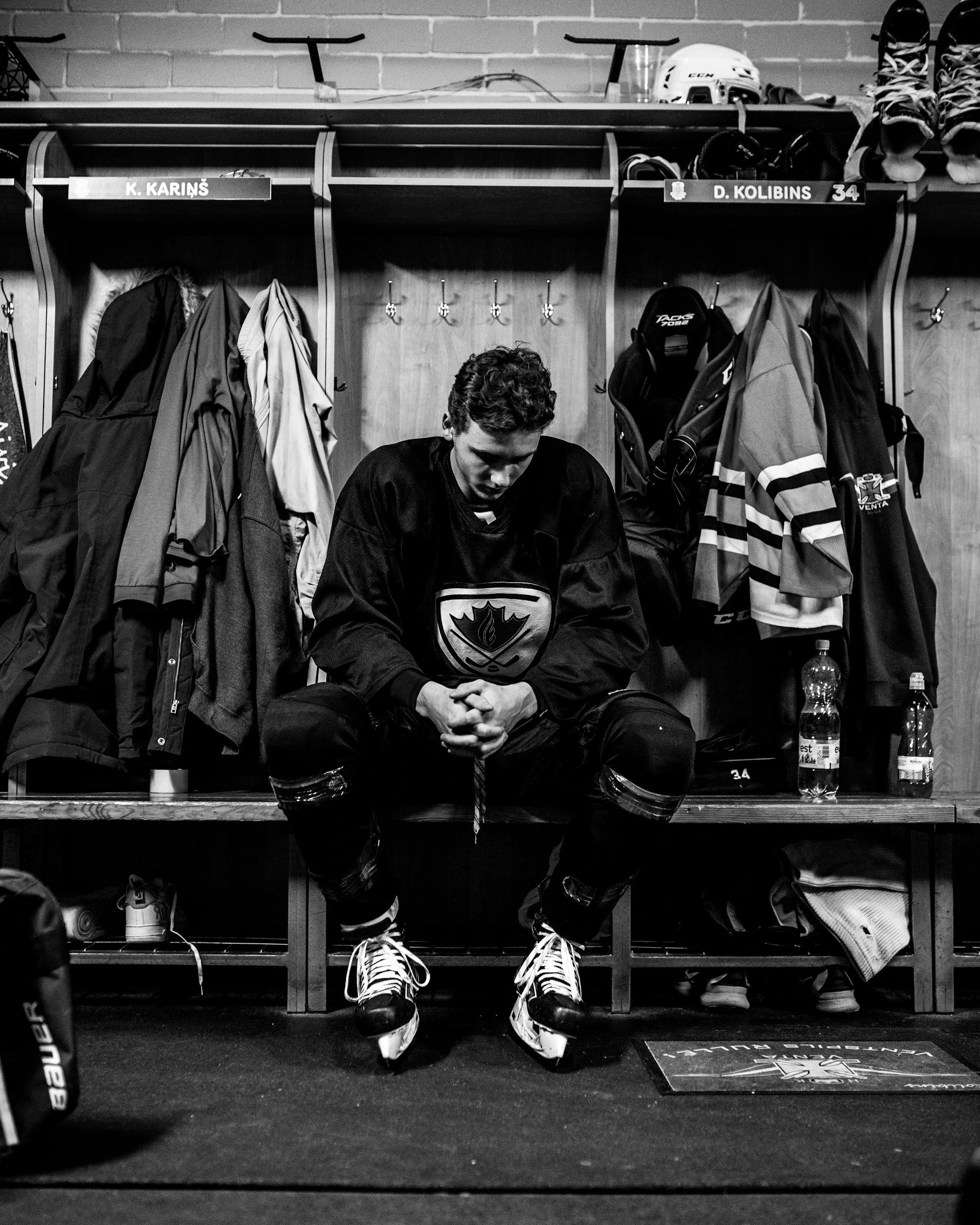
This might be one of the more overlooked things you can do, especially because the schedule demands of hockey players through the youth and junior years are so busy, but it’s very important to take some time to really reflect on how your season went, and more importantly, your own individual performance.
Were you chronically tired and lacking the extra step? Consider looking into overhauling your nutrition.
Did you feel a bit slow to pucks in small spaces? Consider working on your power, explosiveness, and acceleration qualities.
Did you make tactical mistakes in games frequently? Study film, work with coaches and positional coaches to brush up your hockey IQ.
Do you experience excessive or distracting anxiety before games, between periods, or just feel too mentally flat when you need to be “up?” Consider speaking with a sports psychologist.
These are just a few of the things that could come up in that self audit and assessment, and there’s many more. No thought or criticism is off limits.
The point is simply bringing more mindfulness into your training. It’s very easy to just get caught in the momentum of what “you’re supposed to do” when it would really benefit you to think “what do I really need to be doing?”
Once you have some direction and an understanding of your current state, you can begin to make the best offseason plan for yourself.
Conclusion
Being confronted with a long stretch of an empty calendar can be daunting, but if you approach the offseason with the same intention that you apply to preparing for games, you’ll be putting yourself in a good spot.
We understand long term athletic development and the most important principle of that is relationships. Come and meet us, we’d love to talk to you. We’re always happy to talk hockey.

About the Author: Mark DiSalvo, CSCS
Mark is the founder and owner of DiSalvo Performance Training. He brings over a decade of experience training clients and athletes of all backgrounds and is the strength and conditioning coach to athletes of all levels and disciplines, from youth to professional and Olympic-level.
A lifelong athlete, Mark started playing hockey at a very young age in Pittsburgh, PA, and played competitively for over a decade before getting into martial arts.
Mark is currently purple belt in Brazilian Jiu Jitsu, with over 10 years of experience grappling.
A graduate of Northeastern University, he’s an NSCA Certified Strength and Conditioning Specialist (CSCS) and Sports Performance Expert. He’s also a Steve Maxwell Certified Kettlebell Instructor (Levels 1 & 2).
You can read more about him here.
Ready to Train?
If you’re a parent of a youth hockey player—or a young athlete yourself—looking to build strong habits that support performance, growth, and long-term health, we’d love to help.